

A comprehensive guide to the most important nutrients for fertility, conception, and a healthy pregnancy, plus the best nutrient-dense foods to support hormone balance, egg quality, implantation, and optimal fetal development naturally.

Disclaimer: I’m not a doctor or a registered dietitian. The information provided in this post is for educational purposes only and is not intended as medical advice. Always consult with your healthcare provider and/or conduct your own research before making significant changes to your diet, supplements, or lifestyle. This post is based on general nutritional guidelines, and following this fertility diet cannot guarantee conception nor prevent negative outcomes due to other factors.
If you’ve been following along, you know my family and I focus on eating a nutrient-dense, wholesome diet. Fueling our bodies with a variety of highly nutritious foods is key to stay healthy and feel good, while also preventing many modern disease. A nutrient-dense diet is even more important when pregnant or trying to conceive. Making a baby is no joke, and our bodies need all the support they can get for the best outcomes.
Here, I’m talking about all the most important nutrients your body needs to conceive and carry a healthy baby, and where to find them in real, wholesome foods.
Make sure to also check out my post on the most nutritious animal foods for pregnancy, and read all about the benefits of eating nose-to-tail, the benefits of organ meats, and the benefits of eating collagen and gelatin. Browse my collection of delicious and nutritious organ meat recipes here!
The Importance of Nutrients for Fertility
Healthy babies begin long before a positive pregnancy test. Fertility is a reflection of the parents’ nutrient status, especially the mother’s. A wide range of macro- and micronutrients, including vitamins, minerals, healthy fats, and adequate protein, are essential for hormonal balance, egg and sperm quality, embryo implantation, and ultimately the extraordinary process of creating and growing a whole new human life from scratch.
If you’re struggling with infertility, difficulty conceiving, or experiencing recurrent miscarriages, my heart is truly with you. Some fertility challenges are unfortunately unexplained, unpreventable, or require medical intervention. However, for other couples, a nutrient-dense “fertility diet” that deeply nourishes the body can help improve the chances of conception and support a healthy pregnancy.
Even for couples who conceive easily, ensuring that you’re consuming all the nutrients required to sustain your growing baby is crucial. Optimal nourishment may help reduce certain pregnancy and delivery complications while supporting your baby’s long-term health and development.
This nutrient list is largely inspired by the work of Weston A. Price, along with additional scientific sources listed at the end of this post. As highlighted by Price, traditional cultures around the world intentionally prioritized nutrient-dense foods for both men and women before conception, and for women throughout pregnancy and breastfeeding. Fertility and the health of future generations were not taken for granted, they were prepared for with care and intention.
Related: Nutrient Dense Animal Foods for Pregnancy
What about prenatals ?
Modern OB care, particularly in North America, often simplifies the complex nutritional needs of expecting mothers by recommending a standard prenatal multivitamin. While prenatals can certainly help fill gaps, they are supplements, not substitutes for a truly nutrient-dense diet. Many formulas contain synthetic forms of nutrients (such as folic acid instead of natural folate) and isolated vitamins that lack the natural cofactors found in whole foods, which support proper absorption and utilization.
This list of key nutrients for a healthy pregnancy can help you identify potential gaps and, if needed, supplement strategically. If you’re experiencing severe morning sickness or strong food aversions, a high-quality prenatal can be especially helpful in preventing deficiencies during that season.
Food-based prenatals or targeted supplementation can be supportive, but foundational nourishment should always come from whole, minimally processed foods.
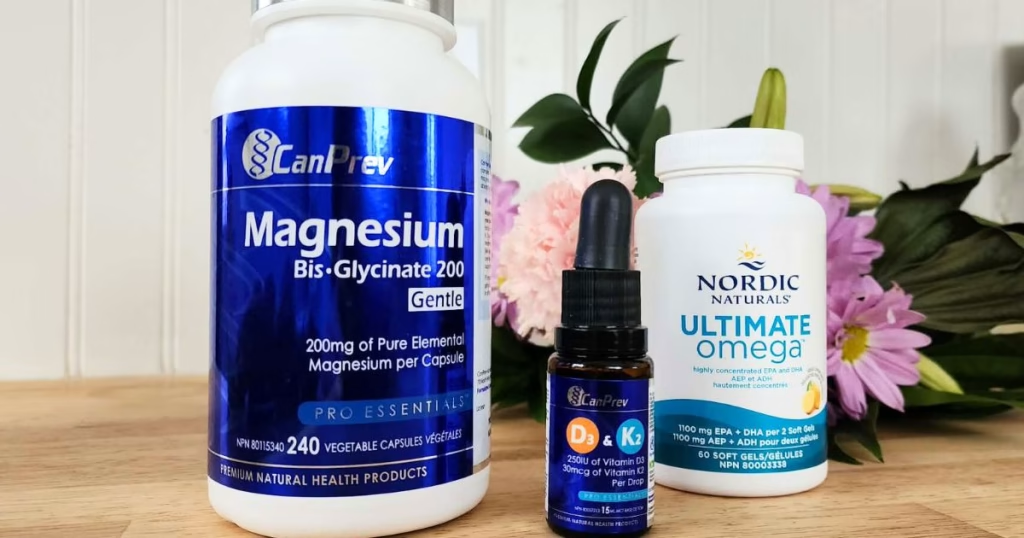
When choosing a prenatal, focus on bioavailable, well-tested ingredients rather than flashy marketing claims. Look for methylfolate (5-MTHF) instead of folic acid, adequate B12, choline, iodine, vitamin D, and ideally DHA. Iron should be included based on your individual needs and lab results many women, keeping in mind that consuming beef liver is one of the best ways to prevent anemia. If you don’t like to eat liver, beef liver supplements can totally help! Choose brands that use third-party testing for purity and heavy metals, and avoid unnecessary fillers, artificial dyes, or excessive mega-doses.
When to start your “Fertility Diet”
Ideally, both mom and dad should begin preparing for conception with a nutrient-dense diet 3 to 6 months in advance to support optimal egg and sperm quality. This is especially important if you’re coming from a lower-nutrient dietary pattern, which is common in many North American households. Since egg and sperm development takes roughly 90 days, the foods you eat in the months leading up to conception truly matter.
Of course, not everyone plans their pregnancy that far in advance, or at all! If you’re already pregnant (congratulations!), start now. It is never too late to improve your nutrient intake and support your growing baby.
And don’t forget about the postpartum season. Pregnancy significantly draws on the body’s nutrient reserves, and those stores need to be rebuilt after delivery. If you’re breastfeeding, your nutrient needs remain elevated, as your body continues nourishing your baby through your milk.

The Most Important Nutrients for Conception and Pregnancy and Where to Find Them
Let’s dive in and see all the most important nutrients, vitamins and minerals to support healthy pregnancy, and how to make sure you’re eating enough of them.
Vitamin A
Role: One of the most important vitamins for fertility and fetal development. Vitamin A is critical for proper development of all baby’s organs, including heart, lungs, kidneys, eye formation, immune function, hormone balance, and gene expression. True vitamin A (retinol) is also essential for fertility.
Particularly important before conception and in the first trimester for successful implantation and early development, and in the third trimester for lung maturation. Severe deficiency is associated with miscarriage and developmental issues and some suggest that even mild deficiencies, together with other risk factors, might increase autism risk.
Daily requirements: The RDA in pregnancy is 770 mcg RAE (~2,600 IU).
Where to find it: Liver (best source), cod liver oil, egg yolks, grass-fed butter, full-fat dairy. Just 100 grams of beef liver per week provide 100% necessary vitamin A! Consider a beef liver supplement if you don’t like eating liver. Note that beta-carotene is a pro-vitamin A carotenoid found in orange and green plants, and it is not true vitamin A. Your body must convert it into retinol, and conversion rates vary widely and are often inefficient.
Note: Excess synthetic vitamin A (above 3000 mcg RAE or 10,000 IU of retinol from supplements) can cause hypervitaminosis A. Food-based sources, especially liver consumed in traditional amounts (once or twice weekly), are generally considered safe.

Related: Organ Meats: List, Health Benefits, and Recipes; How to Cook the Best Pan-Fried Beef Liver; Super Tasty Beef Liver with Sweet Potatoes and Onions; Nose-To-Tail Beef Sausages Recipe; Easy and Delicious Pan-Fried Lamb Liver and Onions; Hidden Liver Meatloaf Recipe
Vitamin E
Role: Another important vitamin for fertility. Protects reproductive tissues, supports egg and sperm health, and provides antioxidant protection for the placenta.
Daily requirements: 15 mg (22 IU).
Where to find it: Nuts (especially almonds), seeds (especially sunflower seeds), avocados, egg yolks, bone marrow. 1 oz of almonds or sunflower seeds provides with about half of the daily recommended dose of vit E.
Vitamin D
Role: Hormone regulator, supports implantation, immune function, skeletal development, and may reduce certain pregnancy complications.
Daily requirements: Often 1,000–4,000 IU daily depending on sun exposure. Many experts recommend testing blood levels and supplementing if deficient, even though optimal levels are debated.
Where to find it: Sunlight is the main source (at least 15 minutes of body exposure daily, but depends on latitude, season, and skin type). Food sources include cod liver oil, fatty fish (salmon, sardines), egg yolks, and grass-fed butter. In winter, consider vitamin D + K2 supplementation.

Related: Health Benefits of Spending Time Outdoors; Morning Sunlight Benefits: Circadian Rhythms, Mood, and More
Vitamin K2
Role: Works synergistically with vitamins A and D to direct calcium into bones and teeth; supports skeletal and possibly neurological development.
Daily requirements: No official RDA; estimated beneficial intake 90–200 mcg.
Where to find it: Grass-fed butter, egg yolks, liver, aged cheeses. Fermented vegetables like sauerkraut provides some vitamin K2 as well.
DHA
Role: Essential omega-3 fat for baby’s brain, eyes, and nervous system. Associated with improved cognitive outcomes and reduced risk of preterm birth. Proper DHA intake can also reduce mom’s risk of postpartum depression.
Daily requirements: At least 200–300 mg daily.
Where to find it: Fatty fish (salmon, sardines), cod liver oil, fish roe. Grass-fed meats and liver also provide some DHA. One can of sardines can provide over 400 mg of DHA! You can also consider a good quality fish oil supplement of you don’t consume fish frequently.
Folate
Role: Prevents neural tube defects, supports DNA synthesis and methylation, and contributes to cell and blood formation. Especially critical in the first trimester.
Daily requirements: 600 mcg DFE.
Where to find it: Liver, dark leafy greens, legumes (especially lentils), avocados, some in citrus fruit. One or two portions of liver per week plus properly prepared greens and legumes daily can significantly contribute to folate intake.
Notes: Leafy greens are rich in folate but also contain oxalates and phytates, which can reduce mineral absorption when consumed in very large amounts, especially raw. Cooking or fermenting greens improves digestibility and reduce anti-nutrients. Avoid relying solely on synthetic folic acid supplements if possible. If supplementing, prefer methylfolate (5-MTHF) rather than folic acid.

Related: Fermented Coleslaw: Easy and Delicious Gut-Healthy Recipe; The Best Vegetable Soup with Bone Broth; Anti-Inflammatory Cabbage and Chicken Soup with Bone Broth
B vitamins
Role: B vitamins like biotin, vitamin B1, B6, and B12 support energy production, hormone regulation, neural tube development, methylation, stress resilience. They also support blood sugar balance and nervous system development. Vitamin B6 can help reduce morning sickness.
Where to find them: Liver, red meat, eggs, dairy, legumes, whole grains (properly prepared), nutritional yeast. Vitamin B6 is found in egg yolks, pork, liver, bananas, potatoes, and nuts.
Choline
Role: Critical for brain and neuron development, supports neural tube closure, liver function, and placental health. Particularly important throughout pregnancy and early childhood for brain development.
Daily requirements: RDA 450 mg (pregnancy), 550 mg (breastfeeding), but evidence supports benefits above the RDA (e.g., ~900 mg).
Where to find it: Egg yolks (~125 mg per yolk), liver, meat, dairy.

Note: Baking with coconut flour is a great way to make yourself delicious, grain-free and low-carb treats that are filled with eggs for extra choline! Browse my collection of healthy coconut flour desserts here.
Glycine
Role: Supports collagen formation, fetal tissue growth, and balances methionine intake from muscle meats. Helps preventing stretchmarks and joint issues in mom and preparing the body for delivery.
Where to find it: Bone broth, gelatin, collagen, skin-on poultry, collagen-rich cuts of meat.

Related: The Benefits of Eating Collagen and Gelatin; Nose to Tail Eating: Benefits and Recipes; Simple Instant Pot Bone Broth; The Most Gelatinous Chicken Feet Bone Broth in The Instant Pot; Healthy Bone Broth Hot Cocoa Recipe; Bone Broth Popsicles Recipe; How to Make Jello with Beef Gelatin (and 4 Recipes); Strawberry Jello with Beef Gelatin
Sulfur
Role: Sulfur-containing compounds support detoxification, connective tissue formation, and glutathione production. Taurine is a particularly important sulfonic amino acid that supports fetal neurological and retinal development.
Where to find it: Egg yolks, liver, garlic, onions, cruciferous vegetables, meat.
Saturated fats
Role: Saturated fats and especially cholesterol are essential for fetal brain development and hormone synthesis, support cell membrane integrity, and enhance absorption of fat-soluble vitamins.
Where to find it: Butter, coconut oil, full-fat dairy, fatty cuts of meat.
Protein
Role: Protein is the foundation for building baby’s tissues, placenta, and maternal blood supply. High protein intake during pregnancy also helps regulate glycemic index, potentially reducing morning sickness, and risks of gestational diabetes and gestational hypertension.
Daily requirements: At least 75–100 grams daily in pregnancy (often more is beneficial).
Where to find it: Meat, fish, eggs, dairy.
Calcium
Role: Skeletal development (particularly in the last trimester), nerve transmission, muscle contraction.
Daily requirements: 1,000 mg daily while pregnant, even more while breastfeeding.
Where to find it: Full-fat dairy, bone-in sardines, bone broth. One cup of yogurt provides about half of the calcium requirements.
Related: Simple Instant Pot Bone Broth; Bulgarian Yogurt in the Instant Pot Recipe
Zinc
Role: Cell division, immune function, fertility in both men and women.
Daily requirements: 11–12 mg daily.
Where to find it: Red meat and organ meats such as heart and kidney, oysters (exceptionally high), pumpkin seeds, dairy, eggs.

Related: Organ Meats: List, Health Benefits, and Recipes; Steak and Kidney Pie Easy Recipe (Grain-free, Gluten-free); Slow-Cooked Beef Heart Stew in the Instant Pot; How to Cook The Best Pan-Seared Beef Heart; How to Cook Pan-Fried Beef Kidneys; Beef Heart and Kidney Stew (Slow-Cooked in the Instant Pot); Stuffed Beef Heart With Bacon and Spinach Recipe
Iron
Role: Builds maternal blood volume, prevents anemia in mom and baby, supports oxygen delivery to baby.
Daily requirements: 27 mg during pregnancy, but more if mom is anemic.
Where to find it: Liver, red meat, dark poultry meat. Consuming iron-rich foods like liver and red meats together with vitamin C-rich foods like citrus fruits and away from dairies, coffee, tea, chocolate and nuts helps increase absorption. Consuming beef liver weekly is a great way to prevent anemia.
Iodine
Role: Thyroid function, baby’s brain development.
Daily requirements: 220 mcg in pregnancy.
Where to find it: Seafood, seaweed (especially kelp), fish eggs, dairy, iodized salt.
Magnesium
Role: Magnesium supports bone development and muscle function and may help reduce the risk of preeclampsia, preterm labor, and fetal growth restriction. It can also help alleviate common pregnancy symptoms such as muscle cramps, insomnia, and constipation.
Daily requirements: 350–400 mg.
Where to find it: Dark leafy greens, pumpkin seeds, dark chocolate, almonds. Consider a magnesium supplement like magnesium glycinate that’s gentle and easily absorbable.
Vitamin C
Role: Aids collagen formation and immune support. Important for iron absorption. Particularly important in the last trimester for the production of hormones involved in labor and delivery.
Daily requirements: 85 mg in pregnancy.
Where to find it: Citrus fruits, berries, kiwi, bell peppers, fermented vegetables. Cooking partially reduces content.
Summary: What to Eat When Expecting
This long list of nutrients you need for a healthy pregnancy might overwhelm you, but don’t worry, proper nutrition is not as complicated as it might look! Many of these essential nutrients come from the same (super) foods so you really don’t have to consume a million different foods!
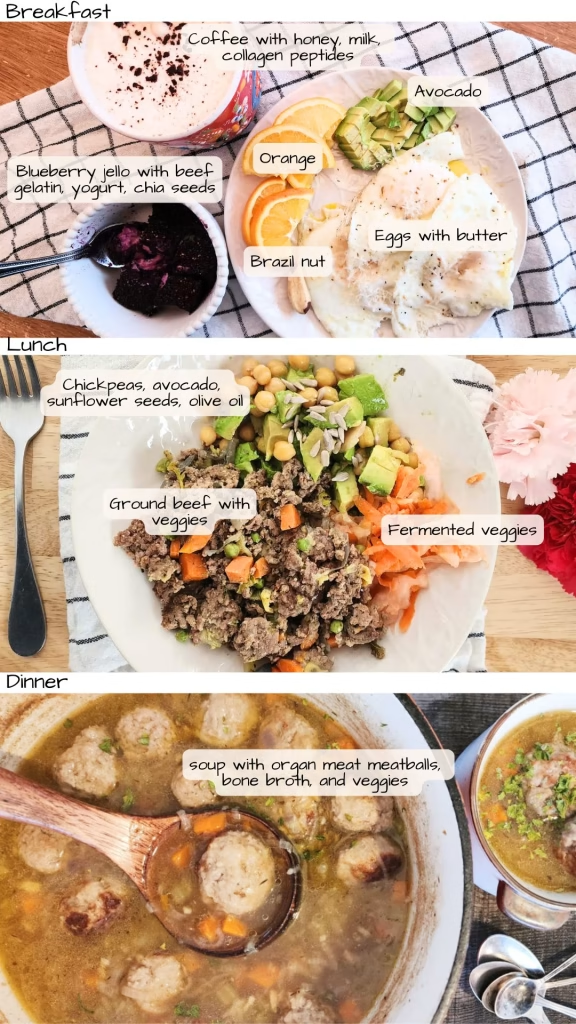
This has been my strategy for all my pregnancies that has given me healthy, easy pregnancies and healthy babies, as well as supporting my overall fertility for easy and fast conception.
- One portion or two of grass-fed beef liver weekly for 100% vitamin A requirement, iron, vit B12 and folate boost, and much more. You can also take cod liver oil or a liver supplement if you can’t eat the liver
- At least 3 eggs daily plus extra yolks for choline and cholesterol
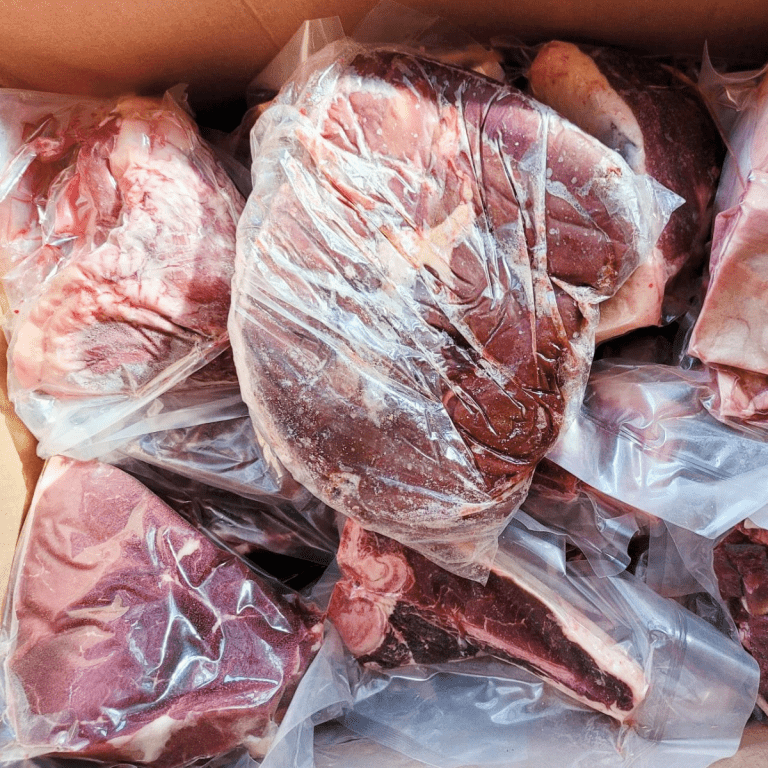
- Red meat (preferably grass-fed) daily for protein, zinc, B vitamins, taurine and saturated fats
- Using healthy fats for cooking like butter (preferably grass-fed), tallow, coconut oil, extra virgin olive oil
- Fatty, low-mercury fish at least twice a week (salmon, mackerel, sardines are great choices) for DHA and other seafood like shellfish, fish eggs, and seaweed regularly for extra DHA, iodine, and zinc. You can also add a good quality fish oil supplement or cod liver oil
- Bone broth, homemade jello with grass-fed beef gelatin, or collagen peptides daily for glycine
- One or two portions of cooked or fermented greens, legumes and other vegetables daily, with more intake in the first trimester for folate (great options are avocados, broccoli, sauerkrauts, chickpeas) plus other vegetables for extra vitamins, minerals, and fiber
- Good quality dairy (if tolerated) for calcium (I love my homemade Bulgarian yogurt), or increased sardines and bone broth intake
- Two portions of fruit (berries and citrus fruit are my preferred) for vitamin C and antioxidants
- One portion of nuts and/or seeds (almonds, walnuts, pumpkin seeds, sunflower seeds, chia seeds) for vitamin E and extra minerals plus one Brazil nut for selenium daily
- Safe, abundant sun exposure in summer or Vit D + K2 supplement in winter for vitamin D
- Choose organic produce, grass-fed meats and dairies and pasture eggs when possible and avoid or reduce processed foods, excess grains and sugars to limit exposure to toxins and “empty calories”
Make sure to explore my food from scratch section for many delicious and nutritious recipes!
If you have any comments or questions about any of this, or want to share your own experience, feel free to drop me a comment down below! I’d love to hear your favorite nutrient-rich meals you love while pregnant!
Sources and Additional Resources
The Nourishing Traditions Book of Baby & Child Care by sally Fallon Morell and Thomas Cowan. Find more informative articles form the Weston Price foundation here.
Vitamins for Fetal Development by Chris Masterjohn
Nutrient Requirements during Pregnancy and Lactation by Jouanne et al. (2021)
Vitamin A and Pregnancy: A Narrative Review by Bastos Maia et al. (2019)
Pin It for Later
Disclaimer: I’m not a doctor or a registered dietitian. The information provided in this post is for educational purposes only and is not intended as medical advice. Always consult with your healthcare provider and/or conduct your own research before making significant changes to your diet, supplements, or lifestyle. This post is based on general nutritional guidelines, and following this fertility diet cannot guarantee conception nor prevent negative outcomes due to other factors.





This is such wonderful information! I love it! Thank you for sharing.
Thank you, Kimberley!
This is a great checklist, so thorough and informative!
Thank you very much, Kara!
excellent, comprehensive article!
Thanks, Kayla!
Thanks for all this info! As someone who is 8 months postpartum, this gave me some great meal ideas!
That’s awesome! Thanks for leaving a comment 🙂
So much good information! What a great checklist.
Thank you, Nikki!